Restore natural hair growth and regain confidence with advanced hair transplant techniques.
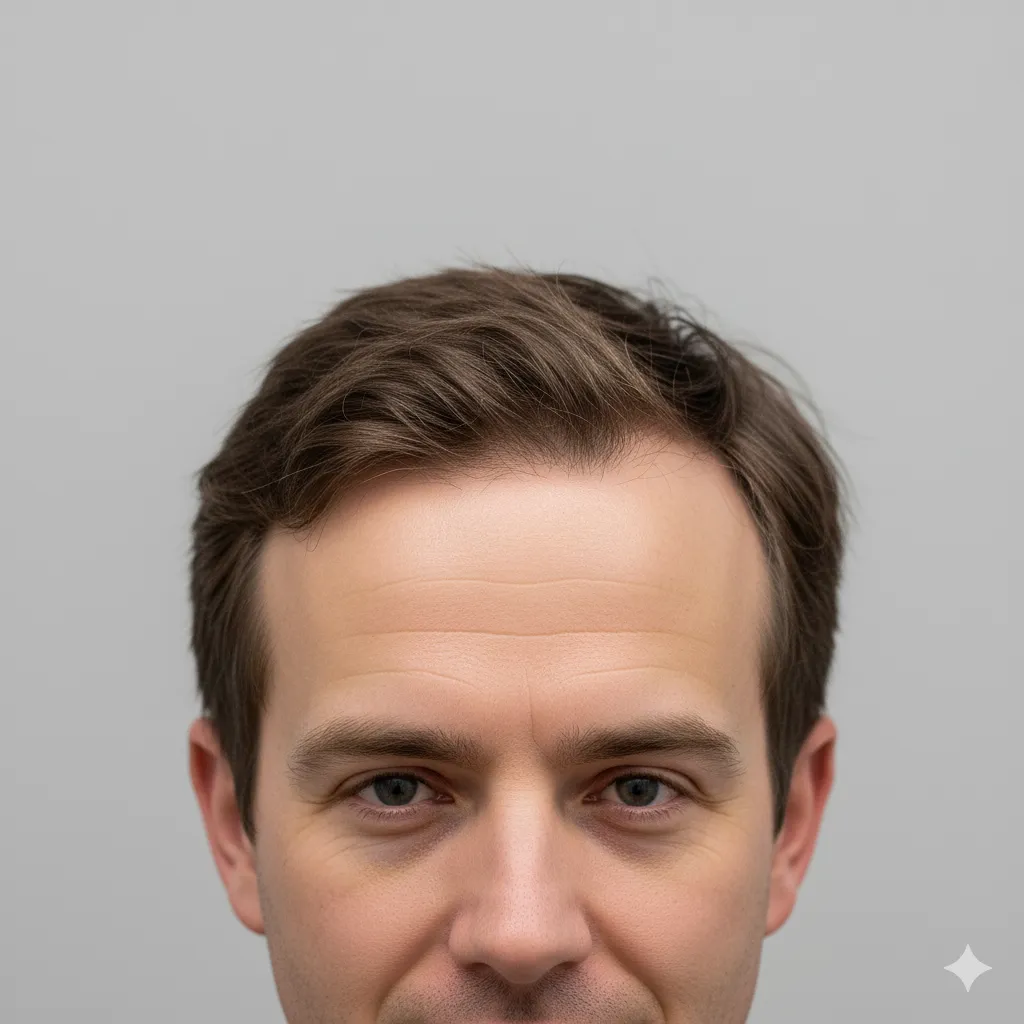
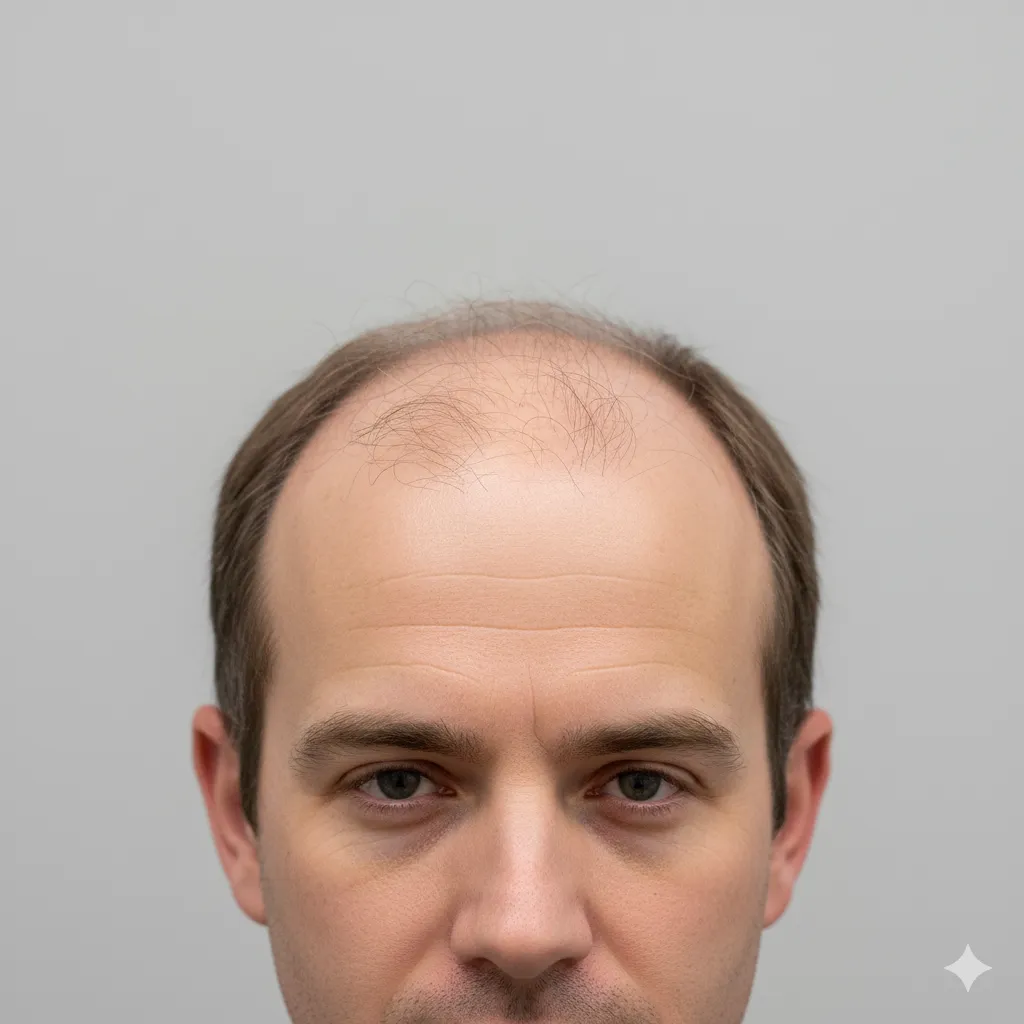
book nowHair transplant is a surgical procedure that restores hair growth in areas affected by hair loss or thinning. Using advanced techniques like FUE and FUT, natural hair follicles are transplanted to create a fuller, natural-looking hairline.
Healthy hair follicles are extracted from donor areas (usually the back or sides of the scalp) and carefully implanted into the thinning or bald areas. The procedure is precise and designed to ensure natural hair growth and density.
Yes. Hair transplant is a safe procedure when performed by trained medical professionals using modern techniques.
Initial healing occurs within 1–2 weeks, while full hair growth can be seen in 6–12 months.
Some shedding of transplanted hair is normal in the first few weeks. New hair growth begins within 3–4 months.
Yes. Hair transplants are considered permanent, and transplanted follicles continue to grow naturally.
Mon - Sat: 12:00pm to 6:00pm
(Closed Wed & Sun)
cosmeticphysician.lk@gmail.com
Developed by